

Political reporters' posts mentioning Ariel Kallner
3 posts since 1 September 2026 on Telegram, Bluesky and YouTube by leading Hebrew and English political reporters, newest first. Posts are shown as published, not translated.
- Yehuda SchlesingerWalla
בחדר שבו התכנסו אתמול נציגי הליכוד ונציגי איזנקוט ישבו אנשים רציניים, מנוסים, נטולי אנטגוניזם מיותר, שבאמת רוצים להגיע לממשלת אחדות. אופיר כץ הוא לא סדין אדום מבחינת אנשי האופוזיציה. להפך. הם עבדו איתו, מכירים אותו ומעריכים את יכולותיו. מהצד השני גם יריביו הפוליטיים של טרופר מתקשים להטיל ספק בכוונותיו. הוא נתפס כאחד הפוליטיקאים הנקיים והענייניים במערכת, אדם שהשאיפה שלו לאחדות אינה רק סיסמת בחירות אלא תפיסת עולם אמיתית. אם זה היה תלוי רק בכץ ובטרופר, ייתכן שממשלת האחדות כבר הייתה בדרך. הבעיה היא שזה ממש לא תלוי רק בהם. צריך לשמור על פרופורציות. על שעה ורבע של שיחה קשה לבנות מגדלים פוליטיים. בוודאי לא ממשלה. מה שהתרחש בפגישה היה בעיקר שלב ראשוני של גידור עמדות. כל צד סימן את התחומים החשובים לו, את הקווים האדומים שלו ואת הנושאים שבהם הוא סבור שיש מרחב תמרון. המטרה לא הייתה להגיע להסכמות אלא לפרוס את המפה, להבין איפה נמצאים המוקשים ולהחליט אם בכלל יש טעם להיכנס לשדה. וכבר בשלב הזה הפערים התבררו היטב. טרופר דיבר על הצורך בהקמת ועדת חקירה ממלכתית, כץ הציג את החלופה של ועדת חקירה לאומית על פי הצעת החוק של ח"כ אריאל קלנר. בצד של איזנקוט דיברו על הקמת ממשלה בראשות גדי איזנקוט, בצד הליכודי הבהירו שהם אינם פוסלים אף מפלגה. אלו לא חילוקי דעות סמנטיים. אלה תפיסות פוליטיות שונות לחלוטין. שלושה נושאים מרכזיים הונחו על השולחן וידרשו בהמשך דיונים מעמיקים: הרפורמה המשפטית, ועדת החקירה לאירועי 7 באוקטובר וחוק הגיוס. כל אחד מהם הוא מוקש פוליטי בפני עצמו, וכל אחד מהם מסוגל לפרק ממשלה עוד לפני שתקום. @@@@ ייתכן מאוד ששני הצדדים כלל לא יגיעו לשלב שבו יצטרכו להכריע בסוגיות הללו כי מעל שלושת המוקשים מרחף מוקש אחד גדול הרבה יותר: מי יהיה ראש הממשלה? מבחינת נתניהו, התשובה פשוטה. אם תקום ממשלת אחדות ברוטציה, הוא צריך לכהן כראש הממשלה בשנתיים הראשונות. לתפיסתו הליכוד היא המפלגה הגדולה ביותר, הציבור העניק לה את מספר המנדטים הגבוה ביותר, ואין שום סיבה שנתניהו, שעומד בראשה, יפנה את מקומו לטובת איזנקוט. מבחינת איזנקוט, התשובה הפוכה לחלוטין. אנשיו מתעקשים שהציבור העניק לגוש שהוא מוביל את האפשרות להחליף את השלטון. מבחינתם, איזנקוט הוא האיש שקיבל את המנדט הפוליטי להקים את הממשלה הבאה. לא נתניהו. לא רוטציה שבה נתניהו ראשון. ממשלה בראשות גדי איזנקוט. נקודה. גם ניסיון העבר עם נתניהו משחק כאן תפקיד משמעותי. בצד של איזנקוט לא ממהרים להפקיד את עתידם הפוליטי בידי הבטחה לרוטציה עתידית. מבחינתם, אין סיבה להיכנס לממשלה שבה נתניהו מכהן ראשון ולקוות שבעוד שנתיים הכול יתנהל על פי התוכנית. אז מה הלאה? בפוליטיקה הישראלית יש משתנה אחד שאי אפשר להכניס לשום מסמך משא ומתן: הלחץ. כרגע שני הצדדים יכולים להרשות לעצמם להתבצר בעמדותיהם. איזנקוט יכול להצהיר שלא יוותר על ראשות הממשלה, ונתניהו יכול להבהיר שלא יסכים להיות מספר שתיים. אבל מה יקרה בעוד כמה שבועות? מה יקרה אם שאיזנקוט יבין שהמשא ומתן עם החרדים לא מתקדם, שהקמת ממשלה בתמיכת המפלגות הערביות מסתבכת, ושהאלטרנטיבה שלו היא בחירות נוספות? הערכות גם בתוך גוש האופוזיציה שספק אם בבחירות נוספות יוכלו לשחזר את תיאום המפלגות, התגייסות בריכוזי הצבעה ומטוסים שהגיעו מחו"ל. ומה יקרה בצד השני? מה יעשה נתניהו אם יבין שבעוד רגע מושבעת ממשלה בראשות איזנקוט, בהסכמות עם החרדים או בתמיכת המפלגות הערביות? האם גם אז יתעקש על כל תנאיו, או שיחליט שעדיף לו להיות חלק מממשלת אחדות מאשר להישאר מחוץ למוקדי קבלת ההחלטות? זה בדיוק משחק הצ'יקן הפוליטי. שתי מכוניות דוהרות זו מול זו, וכל נהג משוכנע שהשני ימצמץ ראשון. (פורסם הבוקר בוואלה)
Translation In the room where Likud's representatives and Eisenkot's representatives convened yesterday sat serious, experienced people, free of unnecessary antagonism, who really want to reach a unity government. Ofir Katz is not a red rag for the opposition's people. On the contrary. They worked with him, know him and appreciate his abilities. On the other side, even Tropper's political rivals find it hard to cast doubt on his intentions. He is seen as one of the cleanest and most matter-of-fact politicians in the system, a man whose aspiration for unity is not just an election slogan but a genuine worldview. If it depended only on Katz and Tropper, the unity government might already be on its way. The problem is that it really doesn't depend only on them. One needs to keep proportions. You can't build political towers on an hour and a quarter of a tough conversation. Certainly not a government. What happened at the meeting was mainly an initial stage of staking out positions. Each side marked the areas important to it, its red lines and the issues on which it believes there is room for maneuver. The goal was not to reach agreements but to lay out the map, understand where the mines are and decide whether there is any point in entering the field at all. And already at this stage the gaps became very clear. Tropper spoke about the need to establish a state commission of inquiry; Katz presented the alternative of a national commission of inquiry according to MK Ariel Kallner's bill. On Eisenkot's side they spoke of forming a government headed by Gadi Eisenkot; on the Likud side they made clear that they do not rule out any party. These are not semantic disagreements. These are completely different political conceptions. Three central issues were put on the table and will require in-depth discussions later: the judicial reform, the commission of inquiry into the events of October 7, and the draft law. Each of them is a political mine in its own right, and each of them is capable of breaking up a government even before it is formed. @@@@ It is very possible that the two sides won't even reach the stage where they need to decide on these issues, because above the three mines hovers one much bigger mine: who will be prime minister? For Netanyahu, the answer is simple. If a rotation unity government is formed, he should serve as prime minister in the first two years. In his view, Likud is the largest party, the public gave it the highest number of seats, and there is no reason for Netanyahu, who heads it, to make way for Eisenkot. For Eisenkot, the answer is the complete opposite. His people insist that the public gave the bloc he leads the opportunity to replace the government. For them, Eisenkot is the man who received the political mandate to form the next government. Not Netanyahu. Not a rotation in which Netanyahu goes first. A government headed by Gadi Eisenkot. Period. Past experience with Netanyahu also plays a significant role here. On Eisenkot's side they are in no hurry to entrust their political future to a promise of a future rotation. For them, there is no reason to enter a government in which Netanyahu serves first and hope that in two years everything will go according to plan. So what's next? In Israeli politics there is one variable that can't be put into any negotiating document: pressure. Right now both sides can afford to entrench themselves in their positions. Eisenkot can declare that he won't give up the premiership, and Netanyahu can make clear that he won't agree to be number two. But what will happen in a few weeks? What will happen if Eisenkot realizes that the negotiations with the Haredim aren't progressing, that forming a government with the support of the Arab parties is getting complicated, and that his alternative is another election? There are assessments even within the opposition bloc that it is doubtful that in another election they could reproduce the coordination among the parties, the mobilization in voting concentrations, and the planes that arrived from abroad. And what will happen on the other side? What will Netanyahu do if he realizes that any moment now a government headed by Eisenkot will be sworn in, with agreements with the Haredim or with the support of the Arab parties? Will he still insist on all his conditions, or will he decide that he is better off being part of a unity government than remaining outside the centers of decision-making? This is exactly the political game of chicken. Two cars racing toward each other, and each driver convinced the other will blink first. (Published this morning on Walla)
- Ariel KahanaIsrael Hayom
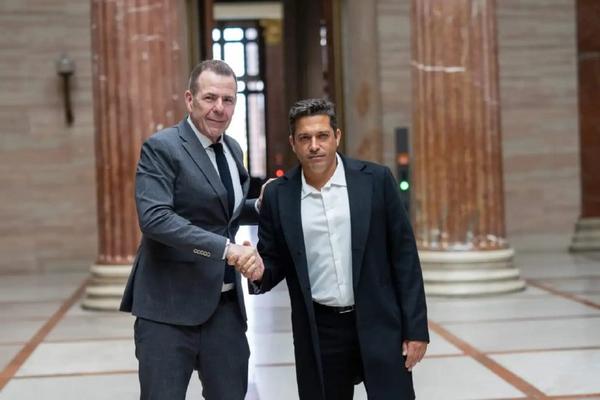
שר התפוצות עמיחי שיקלי קיים ביקור ראשון מסוגו באוסטריה בו נועד עם בכירי מפלגת החירות, לאחר שהביא את מנהיג מפלגת החירות האוסטרית (FPÖ) להתנצל בפני העם היהודי ולאמץ את הגדרת האנטישמיות הבינלאומית (IHRA). ״ההבנה המשותפת של אתגרי השעה שמציבים השמאל הפרוגרסיבי והאסלאמונאציזם, היא הבסיס לשותפות שלנו עם המפלגות השמרניות באירופה. הן ההזדמנות האחרונה של מדינות הלאום לעצור את הסחף, לפני שמגיעים לנקודת האל-חזור”, אומר שיקלי. במסגרת הביקור, קיים השר שיקלי פגישה עם יו״ר הפרלמנט האוסטרי מטעם ה-FPÖ ולטר רוזנקרנץ - פגישה ראשונה מסוגה של שר ישראלי - בהשתתפות חבר הכנסת אריאל קלנר, הראלד וילימסקי ואלי רוזן. לדבריו, בדומה לקשרים המוצלחים שיצר עם מפלגת VOX בספרד ועם מפלגת RN בצרפת, גם שיתוף הפעולה הנוכחי יישא פרי.
Translation Diaspora Affairs Minister Amichai Chikli held a first-of-its-kind visit to Austria, in which he met with senior Freedom Party officials, after getting the leader of the Austrian Freedom Party (FPÖ) to apologize to the Jewish people and adopt the international definition of antisemitism (IHRA). "The shared understanding of the challenges of the hour posed by the progressive left and Islamo-Nazism is the basis of our partnership with the conservative parties in Europe. They are the nation-states' last opportunity to stop the drift, before reaching the point of no return," says Chikli. As part of the visit, Minister Chikli held a meeting with the FPÖ's Speaker of the Austrian Parliament, Walter Rosenkranz - a first-of-its-kind meeting for an Israeli minister - with the participation of MK Ariel Kallner, Harald Vilimsky and Eli Rosen. According to him, similar to the successful ties he created with the VOX party in Spain and the RN party in France, the current cooperation will also bear fruit.
- Akiva BigmanIsrael Hayom
הפרסום שלי השבוע נגד תיקון מס׳ 5 לתמ״א 35 מעורר דיון חשוב. אבל מה שמפתיע אותי זה שההגנה על מוסדות התכנון והמדיניות האנטי-התיישבותית שלהם מגיעה דווקא מאנשי התיישבות מהימין, שבמקום להיאבק לשינוי המגמה מצדיקים ומלבינים את המדיניות הפוסט-ציונית שמחריבה את ההתיישבות. בטור של ענת רוט ובנצי ליברמן שפורסם ביום שישי במקור ראשון (צילום מצורף) יש כמה טעויות עקרוניות, שהופכות את קו ההגנה הזה למטריד במיוחד. נתחיל מה״בשורה״ -- ביטול לוח 2 והגדלת מכסות הדיור. התיקון המוצע אכן מגדיל את המכסות (כאשר ברוב יישובי הפריפריה הרחוקה ההגדלה אינה מאוד משמעותית), אך הוא מטיל מגבלות חדשות וחמורות יותר. מניתי אותן במאמר שפרסמתי באתר מידה כאן https://tinyurl.com/msrbfx8a הדגשת ביטול המכסות בלי לעסוק בשאר הפרטים היא שטחית כמו לקרוא כותרות בעיתונים בלי לעיין בכתבה. מה שחשוב הוא לא ביטול לוח כזה או אחר אלא האם התיקון יקשה או יקל על התפתחות ההתיישבות הכפרית היהודית בנגב ובגליל. וכאן אני מגיע לנקודה החשובה באמת. רוט וליברמן טוענים שרוב המגבלות הללו כבר היו קיימות קודם. זה לא מדויק. ראשית, הדרישות למסמכים פרוגרמטיים ודמוגרפיים הוחמרו. למעשה התיקון מאמץ את הדרישות שהיו שמורות בעבר ל״הרחבה כפרית ניכרת״ של מעל 100 יח״ד ומטיל אותן על כל הרחבה שהיא. הקצאת הקרקע להתרחבות אינה ״הקלה״, אלא להיפך. נקבעה תקרה של 40 דונם שמעליה יש צורך באישורי המועצה הארצית. קביעת תקרה קשיחה מוצגת על ידי רוט וליברמן כ״שיפור״ המצב. וצריך להבין: לא מדובר בשטח גדול כלל – השטח הזה כולל כבישים, תשתיות, שטחים ציבוריים וכו׳ מדובר בסך הכל ב-20-25 דונם למגורים. וגם השטח הקטן הזה, יוקצה רק בפריפריה הרחוקה, וגם זה תחת שורה ארוכה של תנאים חדשים. זה ה״הישג״. דרישות הציפוף מוצגות אצלם גם כ״שיפור המצב״, אך ללא נימוקים משכנעים. רוט וליברמן סוקרים מדיניות ציפוף מחמירה שאכן נמצאת במערכת זמן מה אבל זה לא הופך את הקיבוע שלה במסמך הסטטוטורי המחייב והחשוב ביותר של מדינת ישראל ל״הישג״. מדיניות של משרד השיכון ורמ״י אפשר עוד לשנות. הנחיות של תמ״א לא. רוט וליברמן גם ממעיטים בחומרת גזירת יחידות הדיור הקטנות, שכפי שהסברתי מונעת למעשה בניה של יחידות דיור משפחתיות רגילות. גם פה האפולוגטיקה חוגגת, ולא, המסמך לא באמת ״מאפשר גמישות בסוגיה״. על פי המסמך החדש יישוב ותיק שיש לו לצורך העניין 300 בתים בנויים שרוצה לקדם שכונה חדשה של 100 יח״ד יהיה מחוייב לבנות רק בתים קטנים של 80 מ״ר בממוצע. זה לא מה שמביא משפחות לפריפריה. ומכאן -- מכת המוות. הם טוענים שכיום יש הרבה יישובים שמקדמים תכניות להרחבה, ותולים את זה בתיקון לתמ״א 35, בזמן שהמציאות הפוכה ממש: התכניות שמתקדמות בשנתיים האחרונות נובעות מתיקון 162 לחוק התכנון והבניה שהוביל ח״כ אריאל קלנר, שעיקרו מגמה הפוכה בתכלית לזו של התמ״א: הורדת הסמכות לאשר הרחבות קטנות לוועדות התכנות האזוריות. מדובר במהלך של ביזור במקום ריכוזיות, של הקלת הנטל במקום החמרתו. אם התיקון לתמ״א יתקבל, הוא יבטל גם את ההישג הזה. הטענה כאילו תיקון 5 לתמ״א 35 מכיל הישגים קטנים, שאפשר להציג אותם כ״עוד דונם ועוד עז״ פשוט שגויה. זה לא דונם ולא עז, זה כלום בפיתה. אין זה מקרה שמומחה מרכזי בתחום שעמו התייעצתי ושהוא מוכר היטב גם למחברי הטור הזה, סבור שהתיקון המדובר הוא אסון מוחלט. טיטוא הבעיות, אפולוגטיקה והגנה על מוסדות תכנון שאיבדו את הדרך, לא תוביל לשום מקום. אכן, יש צורך בגיבוש תמ״א חדשה שתחליף את תמ״א 35, אבל כשזו הגישה של אנשי מפתח בהתיישבות, אני בכלל לא משוכנע ששינוי כזה יהיה לטובה.
Translation My post this week against Amendment No. 5 to TAMA 35 is sparking an important discussion. But what surprises me is that the defense of the planning institutions and their anti-settlement policy comes precisely from settlement people on the right, who instead of fighting to change the trend, justify and whitewash the post-Zionist policy that is destroying the settlement enterprise. The column by Anat Roth and Bentzi Liberman published on Friday in Makor Rishon (photo attached) contains several fundamental errors that make this line of defense especially troubling. Let's start with the "good news" -- the cancellation of Table 2 and the increase in housing quotas. The proposed amendment does indeed increase the quotas (while in most communities of the far periphery the increase is not very significant), but it imposes new and more severe restrictions. I listed them in an article I published on the Mida website here https://tinyurl.com/msrbfx8a Emphasizing the cancellation of the quotas without addressing the other details is as superficial as reading newspaper headlines without reading the article. What matters is not the cancellation of this or that table but whether the amendment will make the development of Jewish rural settlement in the Negev and the Galilee harder or easier. And here I come to the truly important point. Roth and Liberman claim that most of these restrictions already existed before. That's not accurate. First, the requirements for programmatic and demographic documents were tightened. In effect, the amendment adopts requirements that were previously reserved for "significant rural expansion" of over 100 housing units and imposes them on any expansion whatsoever. The allocation of land for expansion is not an "easing" but the opposite. A ceiling of 40 dunams was set, above which approval from the National Council is required. Roth and Liberman present setting a rigid ceiling as an "improvement" of the situation. And one must understand: this is not a large area at all – this area includes roads, infrastructure, public spaces, etc. It amounts to only 20-25 dunams for housing. And even this small area will be allocated only in the far periphery, and that too under a long list of new conditions. That's the "achievement." The densification requirements are also presented by them as an "improvement of the situation," but without convincing arguments. Roth and Liberman review a strict densification policy that has indeed been in the system for some time, but that doesn't make its entrenchment in the most binding and important statutory document of the State of Israel an "achievement." Policy of the Housing Ministry and the Israel Land Authority can still be changed. TAMA guidelines cannot. Roth and Liberman also downplay the severity of the small housing units decree, which, as I explained, effectively prevents the construction of regular family housing units. Here too apologetics run wild, and no, the document doesn't really "allow flexibility on the issue." According to the new document, an established community that has, say, 300 built houses and wants to advance a new neighborhood of 100 housing units will be required to build only small houses averaging 80 sq m. That is not what brings families to the periphery. And hence -- the death blow. They claim that today many communities are advancing expansion plans, and attribute this to the amendment to TAMA 35, while reality is exactly the opposite: the plans advancing in the past two years stem from Amendment 162 to the Planning and Building Law led by MK Ariel Kallner, whose essence is a trend diametrically opposed to that of the TAMA: devolving the authority to approve small expansions to the regional planning committees. This is a move of decentralization instead of centralization, of easing the burden instead of increasing it. If the TAMA amendment is approved, it will also cancel this achievement. The claim that Amendment 5 to TAMA 35 contains small achievements that can be presented as "another dunam and another goat" is simply wrong. It's neither a dunam nor a goat, it's nothing in a pita. It's no coincidence that a leading expert in the field whom I consulted, and who is also well known to the authors of this column, believes the amendment in question is an utter disaster. Sweeping the problems under the rug, apologetics and defending planning institutions that have lost their way will lead nowhere. Indeed, there is a need to formulate a new TAMA to replace TAMA 35, but when this is the approach of key people in the settlement movement, I'm not at all convinced such a change will be for the better.